Editing for Platforms & Video Marketing
Editing for YouTube is not the same as editing for TikTok
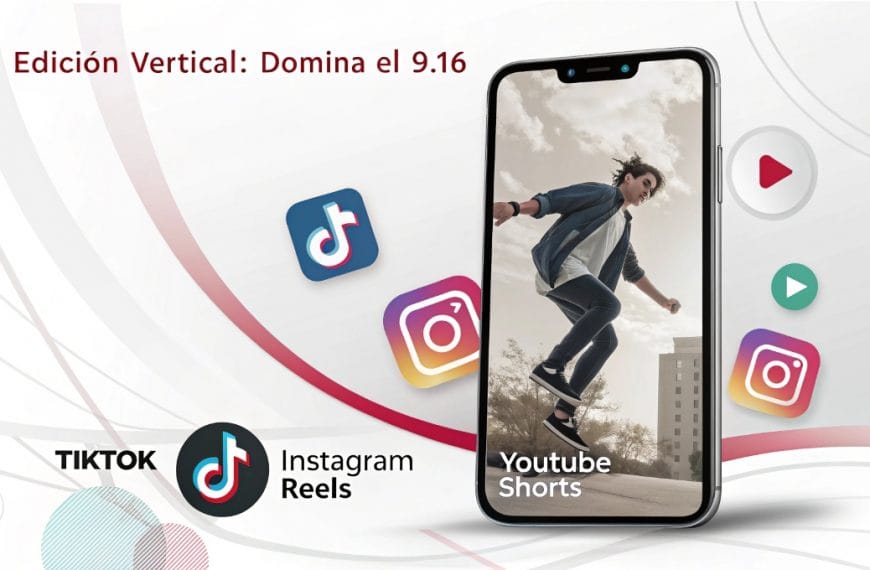
And editing for Instagram Reels is not the same as editing for LinkedIn. Every platform has its own algorithm, its own audience and its own visual rhythm. What works on one can hurt you on another.
The real problem is not video quality. Most creators edit to “make it look good” without thinking about how the specific platform actually works. And the result is always the same: hours of work, solid content, and 300 views.
Why the algorithm ignores your video
On Instagram Reels, the first two seconds decide whether your video reaches Explore or disappears. That is not an exaggeration. If the scroll does not stop in that window, nothing that comes after matters.
TikTok requires a completely different editing pace than YouTube. On YouTube you can develop an idea slowly, take your time, build context. On TikTok that kills the video. The audience there is wired for constant visual and audio change, and if they do not find it, they swipe away.
LinkedIn is a different world entirely. A sensationalist hook that works on TikTok loses you credibility in seconds over there. What actually lands on LinkedIn is leading with a specific insight or a direct idea, no fluff.
YouTube has its own patterns. The first eight seconds decide whether someone stays or leaves. Well-placed B-roll prevents attention from dropping during long talking-head segments. And a properly designed end screen keeps people watching more videos from the channel, which the algorithm rewards directly.
What you will find in this section
For Instagram Reels: visual hooks that stop the scroll, pattern interrupts every few seconds, loops that invite people to rewatch and calls to action that generate comments, which is the metric Instagram values most right now.
For TikTok: how to spot trending sounds before they burn out, beat-synced editing, and the specific cut patterns that platform rewards with organic reach.
For YouTube: retention from second one, strategic B-roll use to hold attention at the moments people typically drop off, and how to structure the ending so viewers do not leave when the video finishes.
For LinkedIn: which format actually works (square or vertical), why captions are non-negotiable when 85% of people watch without sound, and how to edit professionally without coming across as stiff or corporate.
For Facebook: the patterns of a more mature audience, why horizontal format still performs there, and why context in the first three seconds matters more than on any other platform.
And on repurposing: publishing the same video everywhere without adapting it is not a strategy, it is just distribution. A well-structured long-form YouTube video can become eight to ten independent pieces for other platforms, each one edited with the logic of where it will actually live.
When editing becomes video marketing
Getting views is only half the equation. A video that gets watched but does nothing after is not working for your business.
Platform-optimized editing is the foundation. But video marketing is what happens when you start treating every video as a step in a longer relationship with your audience. The hook brings them in. The pacing keeps them watching. But the structure, the call to action and the content sequence are what turn a viewer into a follower, and a follower into someone who eventually buys from you, hires you or recommends you.
This is where most creators leave money on the table. They focus on getting the video seen and stop there. They do not think about what the video is supposed to do once someone watches it.
A few things that change when you think about video as a marketing tool:
Your call to action stops being “like and subscribe” and starts being tied to a real next step, whether that is a free resource, a product, a waitlist or a conversation. Comments become a way to understand what your audience actually wants to see next, not just a vanity metric. A series of well-edited videos builds more authority in your niche than a single viral hit. Consistent watch time across your channel signals to the algorithm that you are worth recommending to new audiences, which compounds over time.
The creators who grow steadily in 2025 and into 2026 are not just good on camera. They understand that each video is a piece of a larger content strategy, and they edit accordingly.
What you will understand by the end
The difference between watch time and completion rate, and why each one matters differently depending on the platform. Why likes are the least useful metric and comments and shares are what actually move reach. How the first few hours after publishing determine whether a video takes off or stays flat. How to build a content structure where each video feeds the next one. And when to use vertical, horizontal or square format, because it is not always the obvious answer.
We edit with strategy. Not to make the video look nice but so the algorithm distributes it, people watch it all the way through and something concrete happens after.
In 2026 the best video is not the best produced one. It is the one that understands the platform it lives on and knows exactly what it is supposed to do once someone hits play.
 By
By

Video Editing for YouTube: Keys to Growth & Engagement
YouTube Video Editing Keys to Grow and Hook Your Audience YouTube isn’t just a video platform—it’s a massive…