
Wedding Video Editing Outsourcing: Brief, Review and Control
Wedding video editing outsourcing means hiring an outside editor to turn your recorded wedding footage into agreed films while your studio keeps control of the brief, feedback and client delivery. Start with one defined project: name the outputs, show what your style means and agree who approves each stage before handing over a season of work.
This guide is for photographers and studios that already include video in their packages. Its practical focus is a decision map: what you delegate, what you retain and what evidence you check before the next step.
- 1. Define
You approve the deliverables, reference style, must-keep moments and review contact.
- 2. Edit
The editor assembles and finishes the agreed work, raising gaps instead of guessing.
- 3. Approve
You consolidate feedback, check the files and manage delivery to your client.
When does outsourcing wedding video editing make sense?
Consider it when editing competes with shooting, client communication or your own availability. It can also help you delegate a stage you do not want to handle. It does not remove the need to prepare footage, answer questions and review the result.
Before hiring, identify the actual bottleneck. If recordings are incomplete, the promised package is unclear or several people give conflicting instructions, address those issues first. An editor cannot recover a moment that was never recorded or decide on behalf of a couple whose requirements you have not collected.
- A sensible first test: a complete, representative event with an agreed scope.
- A weak test: a few attractive clips that reveal nothing about dialogue, coverage or continuity.
- A reason to wait: no usable backup, missing audio or no agreement on the final films.
A decision map: what stays with the studio?
| Decision | Studio responsibility | Editor responsibility | Checkpoint |
|---|---|---|---|
| Package | Confirm what the client bought. | Edit the specified outputs. | Written list of films and versions. |
| Story and style | Choose references and required moments. | Propose structure and pacing within the brief. | First cut checked against those choices. |
| Sound and music | Identify important speeches and cleared music. | Build and balance the soundtrack. | Dialogue, names and asset use checked. |
| Feedback | Resolve conflicting client or team notes. | Implement the consolidated agreed changes. | One version and one list of comments. |
| Final delivery | Approve the work and manage the client relationship. | Export the agreed masters and other files. | Files downloaded and watched outside the editor. |
A white-label arrangement concerns how the work is presented under your brand. It does not automatically settle project-file ownership, confidentiality, music use, storage or revisions. Put those expectations into the working agreement instead of relying on the label alone.
Define the films before asking for a quote
A highlight, a full ceremony edit and a vertical reel are different deliverables. Specify purpose, approximate duration, orientation, language, subtitles and where each file will be used. If you need both a wedding film and social cuts, say so before the first edit.
Describe the source material as well: cameras, recording duration, separate audio, total size and whether a project has already been started. Mention mixed camera profiles, missing sections or difficult recordings. A fair comparison between quotes requires the same scope, not only the same event name.
| Output | Question to settle | Review focus |
|---|---|---|
| Highlight film | Which moments and spoken lines carry the story? | Structure, pacing and emotional continuity. |
| Ceremony or speeches | Full coverage or selected passages? | Completeness, synchronization and intelligible dialogue. |
| Vertical reel | A separate story or an adaptation of the film? | Framing, text, sound and platform-specific version. |
| Editable project | Which application/version and dependencies? | Reopening, linked media and resources needed. |
A wedding editing brief you can copy
Do more than send a reference link. Explain what matters in it: how the story opens, the amount of dialogue, pacing, transitions or restrained color. Say what you do not want as clearly as what you like. Avoid contradictory references without explaining which feature of each should guide the edit.
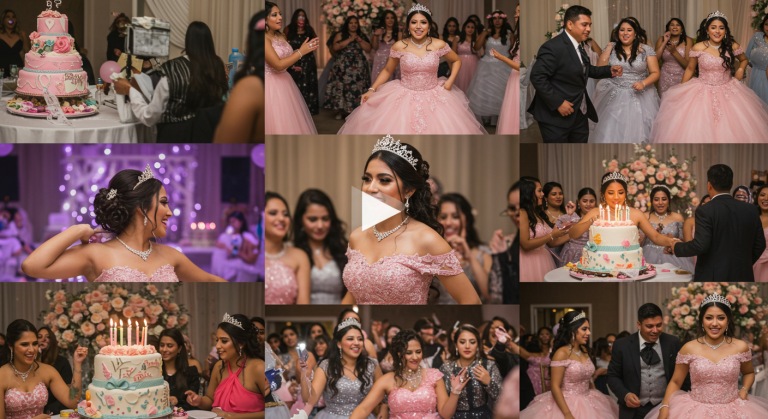
For bilingual weddings or quinceañera-related work, identify the spoken language and who checks names, accents and subtitle wording. Mark traditions and family moments that must remain in the film rather than expecting the editor to infer their importance from the footage alone.
Prepare the footage and confirm that editing can start
Keep a separate backup and transfer the original camera and audio files in an agreed structure. Include the brief, references and any existing project dependencies. Ask the editor to confirm receipt, missing items and readiness to start before treating an upload link as a completed handoff.
Our footage handoff checklist explains folders, permissions and started projects. Use that checklist for the transfer; use this guide for the decisions and approvals around it. Share only the access needed, and agree what happens to files after completion.
Review the first cut in the right order
- Story: check required moments, people, dialogue and the overall structure.
- Timing: review pauses, repetition, transitions and music placement.
- Finish: check color consistency, audio balance, names, captions and graphics.
- Delivery: verify the agreed versions, frame sizes, filenames and playback.
Agree the review stage with the editor. A rough cut may intentionally have temporary sound or color; a final-review file should be assessed against the agreed finishing requirements. Changing the approved story after detailed finishing may require a different scope.

Timestamped feedback that an editor can act on
Use a review link or a shared document tied to one filename and version. Frame.io supports timestamped comments when commenting is enabled; see its current client review guide. A tool alone does not resolve contradictions: nominate one person to consolidate the notes.
Agree revisions and cost boundaries before starting
Ask what a revision round includes, how comments are grouped and what counts as additional work. Correcting a misspelled name differs from requesting a new film, a different music direction after approval or extra vertical versions.
Also clarify when the schedule starts, what pauses it and when you must provide feedback. There is no universal turnaround or revision allowance across editors. Treat quoted dates, confidentiality, retention and project delivery as terms to confirm for your job, not assumptions.
To evaluate outsourcing, compare the editing fee and your preparation/review time with the capacity you expect to recover. Do not count all editing hours as saved if substantial finishing remains with your studio. Test the process before making a recurring commitment.
A final acceptance checklist
- All agreed films and language/orientation versions are present.
- Required people, names and moments have been checked.
- Dialogue is understandable and the sound has no obvious unintended gaps.
- Titles and subtitles are correct and readable.
- Exports play correctly outside the editing application.
- Any promised project files and dependencies are included.
- You downloaded the files and confirmed your own backup.
- The review record identifies the approved version and any remaining work.
Update the style brief with approved choices from the pilot. Keep feedback specific to this event separate from standing instructions for the next one. That way, an exception does not quietly become a permanent rule for every wedding.
Questions about wedding video editing outsourcing
Can a photographer outsource the video included in a package?
Yes, if the footage, deliverables and working responsibilities are clear. You still need to check what was promised to the client and approve the result before delivery.
How do I keep my editing style?
Use explained references, a written brief and a representative pilot. Review structure before polishing details and record approved recurring preferences.
Will the editor contact my client?
Do not assume either arrangement. Specify who communicates with the client and who consolidates decisions, especially for white-label work.
Do I automatically receive an editable project?
No. Agree the application, version, project dependencies and any extra deliverables before work starts.
Should I outsource every wedding immediately?
Begin with a defined project and assess editing quality, communication, review time and final handoff before expanding.
Plan your first delegated event edit
More event editing guides · The complete post-production workflow