Editing Techniques
Editing Techniques
Professional Video Editing Techniques 2026 – Practical Guides
Master editing techniques separating “well-edited” videos from videos that RETAIN, CONNECT and CONVERT. From J-cuts to algorithm retention strategies. Step-by-step guides proven in 500+ real projects.
The difference between a “well-edited” video and one that HOOKS your audience until the last second, generates millions of views, or closes sales isn’t the software you use (Premiere, Final Cut, Resolve). It’s the **TECHNIQUES** you apply and the **PURPOSE** behind each editing decision.
This is your complete library of professional techniques, organized from fundamentals to advanced strategies, all proven in 500+ real projects: weddings that made entire families cry, Reels exploding to millions of organic views, corporate videos closing six-figure contracts.
## 🎯 What You’ll Master Here
### **NARRATIVE AND STORYTELLING TECHNIQUES**
→ **Three-act structure for short videos:** telling complete stories in 60 seconds
→ **Emotional build-ups and payoffs:** creating narrative tension resolving in key moments
→ **Visual foreshadowing:** planting details gaining meaning later
→ **Parallel montage:** two simultaneous stories (e.g., bride prep + groom prep) building anticipation
→ **Micro-moments telling stories:** the look, trembling hands, silence saying more than words
### **PROFESSIONAL AUDIO TECHNIQUES**
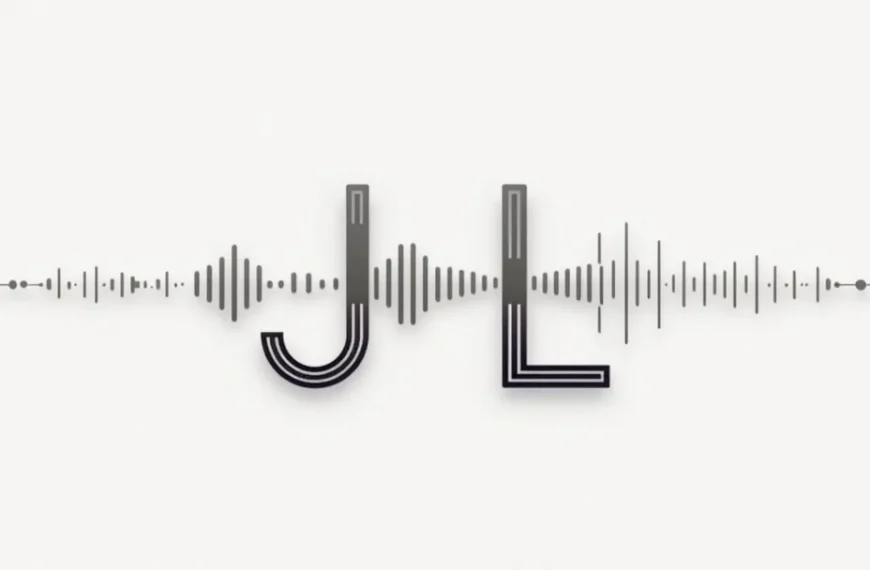
→ **J-Cuts and L-Cuts:** invisible transitions making your edit flow naturally
→ **Intelligent audio ducking:** music respecting dialogue, automatically lowering when someone speaks
→ **Subtle sound design:** sound effects amplifying emotion without being obvious
→ **Voice EQ:** making dialogue crystal clear even with background music
→ **Multi-layer mixing:** balancing music, dialogue, ambience and effects without competition
### **ADVANCED VISUAL TECHNIQUES**
→ **Strategic B-Roll:** visual material telling the story words can’t
→ **Creative match cuts:** transitions connecting scenes through similar visual elements
→ **Dynamic composition:** using rule of thirds, negative space, leading lines to guide the eye
→ **Narrative color grading:** using color to amplify each scene’s emotion
→ **Integrated motion graphics:** graphics informing without distracting
### **RETENTION AND ENGAGEMENT TECHNIQUES**
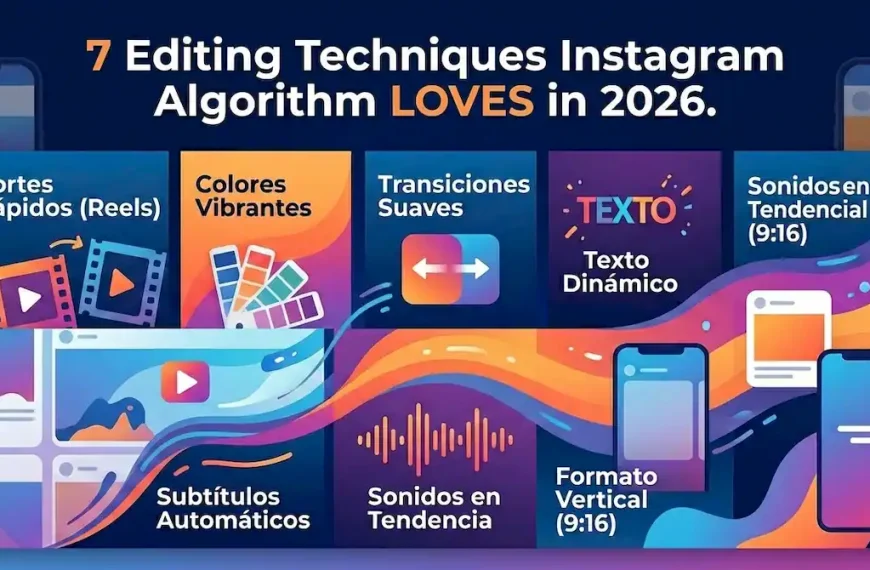
→ **Variable pacing:** when to edit fast (energy) vs. slow (intimacy)
→ **Pattern interrupts:** visual changes every 3-5 seconds resetting attention
→ **Visual hooks for algorithms:** first 1.5 seconds stopping the scroll
→ **Perfect loops:** endings connecting with beginning inviting re-watch
→ **Naturally integrated CTAs:** calls-to-action generating interaction without being invasive
### **SYNCHRONIZATION AND TIMING TECHNIQUES**
→ **Editing to the beat:** syncing cuts with music for emotional impact
→ **Comedy timing:** pauses and rhythm for effective humor
→ **Dramatic timing:** when to hold a shot vs. when to cut
→ **Musical montage:** creating sequences that “dance” with music
### **MULTI-CAMERA TECHNIQUES**
→ **Perfect synchronization:** aligning multiple angles with reference audio
→ **Angle selection:** which camera to show each moment and why
→ **Transitions between angles:** invisible cuts vs. creative cuts
→ **Event coverage:** multi-cam strategy for weddings, conferences, concerts
### **OBJECTIVE-SPECIFIC TECHNIQUES**
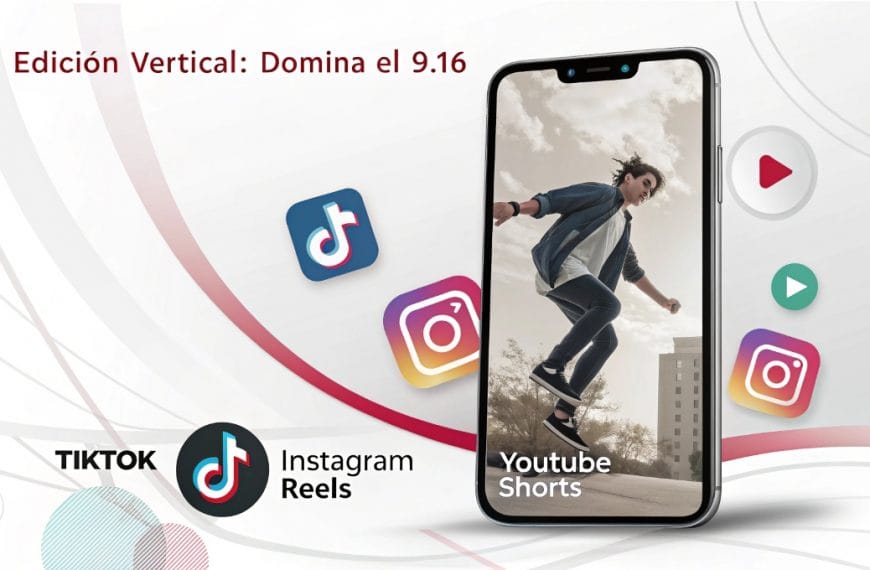
**For Retention Videos (Reels, TikTok, Shorts):**
– Hook in first 1.5 seconds
– Pattern interrupts every 3 seconds
– Pacing 40% faster than YouTube
– Loops inviting re-watch
**For Conversion Videos (Landing Pages, Ads):**
– Problem-agitation-solution structure
– Strategic CTAs at high-attention moments
– Visually integrated social proof
– Urgency and scarcity without being aggressive
**For Emotional Videos (Weddings, Quinceañeras):**
– Intimate micro-moments captured
– Emotional build-up toward key moments
– Music amplifying without dominating
– Dramatic pauses allowing feeling
**For Educational Videos (Tutorials, Explainers):**
– Graphics reinforcing key points
– B-roll illustrating abstract concepts
– Pacing maintaining energy without losing clarity
– Strategic repetition of important concepts
## 🎓 How Guides Are Organized
Each technique includes:
– ✅ **Conceptual explanation:** what it is and why it works
– ✅ **Step-by-step tutorial:** how to implement in your software
– ✅ **Visual examples:** before/after applying technique
– ✅ **Common mistakes:** what to avoid (learned from 500+ projects)
– ✅ **When to use it:** contexts where most effective
## 🚀 From “Technique” to “Strategic Tactic”
These aren’t “theoretical film school” techniques. They’re **real-world proven** techniques marking the difference between:
– Wedding video watched once → Video family relives every anniversary
– Reel dying at 200 views → Reel exploding to 50K+ organic views
– Corporate video that bores → Video that convinces and closes sales
– Content “looking professional” → Content GENERATING measurable results
## 📊 The Professional Leap
**From:** “Cutting and pasting clips correctly”
**To:** “Editing with narrative and strategic intent”
**From:** “Using technique because it looks cool”
**To:** “Applying technique because it fulfills specific objective”
**From:** “Technically correct editing”
**To:** “Editing that connects, retains and converts”
—
**Your path:**
1. Start with fundamentals (J-cuts, B-roll, basic pacing)
2. Master advanced techniques (narrative color grading, sound design)
3. Apply strategically per objective (retention vs. emotion vs. conversion)
4. Combine techniques in complete workflows
It’s not about knowing 100 techniques. It’s about mastering the 20 techniques that actually move the needle and knowing WHEN and WHY to apply each.
Welcome to professional editing with purpose.
 By
By